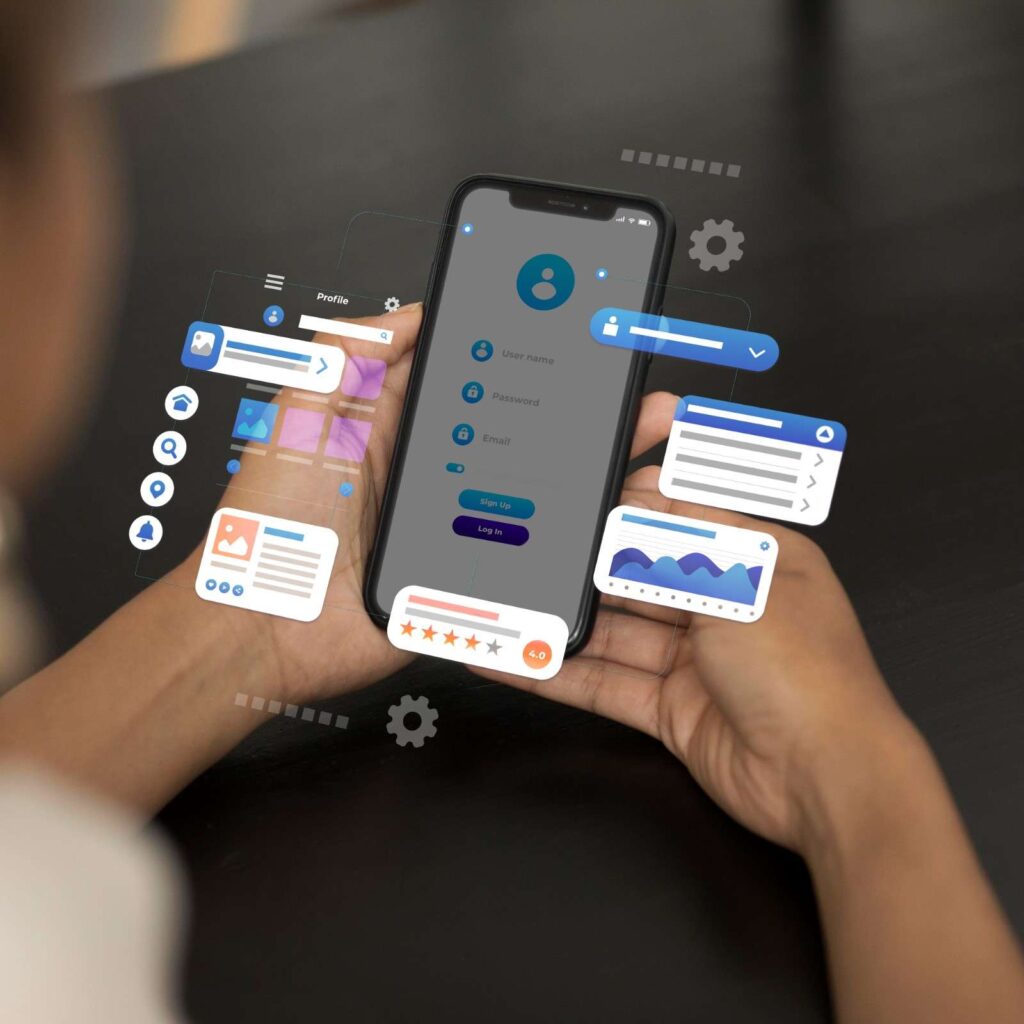
Mobile apps used to be simple tools. You downloaded them, used a few features, and that was it. Today, they behave more like digital assistants that quietly adjust to your habits. And in 2026, that shift has become impossible to ignore.
Open any well-designed app and the difference is obvious. Your preferences are remembered, suggestions feel timely, and interactions seem intuitive. Instead of feeling like basic software, the experience feels more personal – almost like the product truly understands you. This shift didn’t happen by chance. It’s driven by artificial intelligence becoming part of the foundation of modern product development, rather than being treated as an add-on feature at the final stage.
This change matters whether you’re a founder, a product manager, a business owner, or someone planning their next digital product.
Apps are starting to behave differently
Earlier apps were mostly static. Every user saw the same screens. Every user followed the same flows. Updates happened slowly, and personalization was limited to basic settings.
That’s no longer how things work.
In 2026, apps respond to behavior in real time. They adjust layouts, reorder content, reduce friction, and quietly improve the experience based on how people actually use them. You don’t need to configure much. It happens in the background.
This has changed the way teams approach business mobile app development. The goal is no longer “launch and forget.” The goal is to build something that keeps learning long after launch.
Personalization that feels useful, not annoying
People like personalization when it saves time. They hate it when it feels invasive.
Good AI-powered apps in 2026 walk that line carefully. They don’t overload users with unnecessary suggestions. Instead, they focus on small improvements that make everyday use smoother.
You’ll see it in simple moments:
- A finance app showing the actions you use most at the top
- A learning app adjusting content difficulty based on progress
- A shopping app suggesting items that actually match your taste
- A productivity app reducing steps in workflows you repeat daily
That kind of experience is becoming standard across mobile app development US markets. If an app feels generic today, users simply uninstall it and move on.
Developers aren’t being replaced, they’re working smarter
There’s a lot of noise online about AI replacing developers. In real product teams, that’s not what’s happening.
Instead, developers are using AI as support. It helps with repetitive tasks, flags bugs earlier, suggests cleaner solutions, and speeds up testing. The thinking still belongs to humans. The decisions still belong to humans. The architecture still belongs to humans.
Many teams offering ai software development services rely on these tools daily, not to cut corners, but to free up time for deeper work. Stronger structure, higher performance, and long-term scalability.
Clients working with an experienced application development company in USA usually notice the impact through smoother collaboration and fewer technical surprises.
Testing feels closer to real user behavior
Testing used to be mechanical. Click this button. Fill this field. Check that response. Useful, but limited.
Now, AI-driven testing tools behave more like unpredictable humans. They scroll too fast. They abandon flows mid-way. They switch networks. They use apps in odd sequences. They expose the weak points.
This is especially valuable for products that expect large traffic or complex user journeys. Teams working seriously in mobile app development US ecosystems depend on this kind of testing to avoid embarrassing failures after launch.
It’s not about perfection. It’s about resilience.
Web and mobile are no longer separate worlds
Users don’t care whether they’re using a mobile app or a browser. They just expect everything to work smoothly.
Users often begin a task on their laptop during work hours and pick it up later on their phone. They now expect their preferences, progress, and behavior to remain consistent across devices.
That’s why modern web app development is now tightly connected to mobile strategy. Teams offering strong web application development services are building platforms where AI logic works across devices, not just within a single interface.
The experience should feel continuous, not fragmented.
Voice, camera, and natural interaction are becoming normal
Typing isn’t the default input method anymore.
Users now speak to apps, scan documents, and upload photos to trigger actions. Instead of rigid commands, they expect systems to understand natural language and respond intelligently.
This is quietly changing product design. Forms are getting shorter. Navigation is getting simpler. Interaction feels less technical.
Good web app development and mobile experiences now consider these behaviors from the very beginning, not as optional extras.
Trust, privacy, and ethics matter more than ever
Users are more informed today. They review permissions, recognize when apps overreach, and care deeply about how their data is used.
Forward-thinking teams take this responsibility seriously. They design AI systems that respect privacy, avoid dark patterns, and prioritize transparency at every stage.
This isn’t just a legal concern anymore. It’s a product quality issue. Trust is part of user experience now.
Companies like Mindaptix emphasize this balance – building intelligent systems while still respecting user control and business responsibility.
What businesses should actually focus on
A lot of businesses get distracted by trends. They ask for “AI features” without understanding why.
The better questions sound more practical:
- Will this make the product easier to use?
- Does this reduce effort for users?
- Will this scale as usage grows?
- Does this improve long-term retention?
- Can our web app development and mobile experience stay consistent?
Teams offering serious ai software development services spend more time on these questions than on flashy demos.
That’s where real value comes from.
The future feels less technical, more human
Ironically, as technology becomes more advanced, the best products feel less technical.
You rarely think about how the app works – you simply notice that it does. The experience feels effortless, with no confusion, friction, or wasted time.
That’s what AI is quietly enabling when implemented properly.
The winners in this space won’t be the companies chasing hype. They’ll be the ones investing in thoughtful business mobile app development, strong web application development services, and long-term product thinking.
Final thought
AI is changing mobile app development in 2026, but not in the dramatic sci-fi way people like to imagine. The real change is subtler and more meaningful.
Apps are becoming calmer. Smarter. More responsive. More respectful of time.
When that happens, users don’t praise the technology. They just stay. They use the product. They trust it.
And honestly, that’s the only metric that matters.
5 Key Takeaways
- AI is now shaping how apps behave, not just how they are built.
- Users expect apps to feel personalized, fast, and easy without extra effort.
- Developers use AI to improve quality, testing, and delivery speed, not to replace human thinking.
- Web and mobile experiences must work together as one connected ecosystem.
- Trust, privacy, and responsible data use are now core parts of good product design.
FAQs
AI helps apps adapt to user behavior, reduce friction, and offer smarter personalization that saves time.
Yes, teams now use AI tools for coding, testing, and debugging, which speeds up delivery while improving quality.
No. AI supports developers with repetitive tasks, but creativity, strategy, and decision-making still rely on humans.
It helps businesses improve engagement, retention, security, and long-term scalability of their apps.
They can, which is why strong development teams focus on ethical data use, transparency, and secure architecture.