
SaaS Application Development Services: Complete Guide
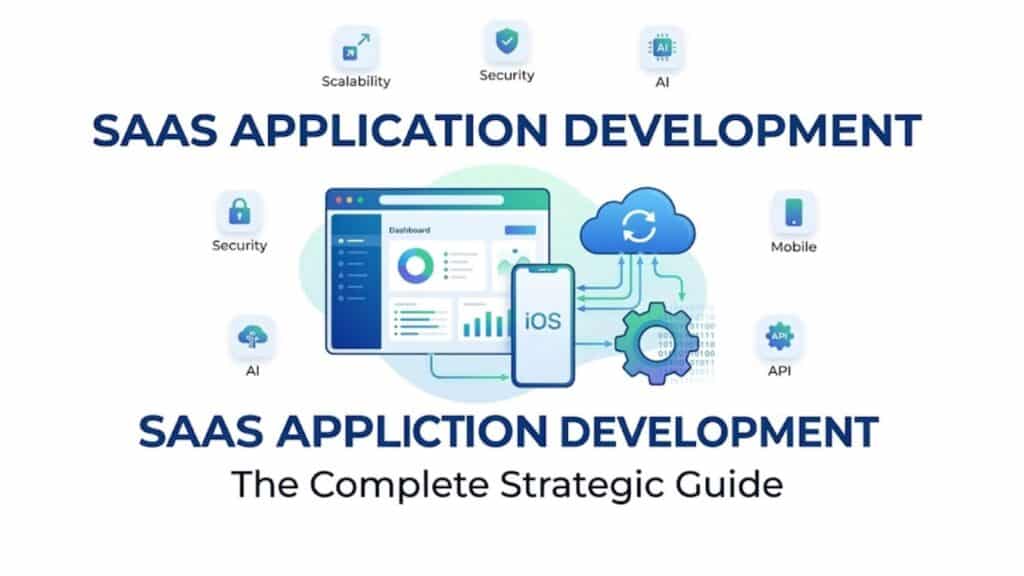
The shift from traditional software to Software-as-a-Service (SaaS) isn’t just a trend; it is the fundamental way modern business operates. Whether you are a founder in San Francisco, a CTO in London, or an enterprise lead in Bangalore, the goal remains the same: building a product that is resilient, multi-tenant, and capable of generating recurring revenue without breaking under the weight of its own growth. However, the “build it and they will come” mentality is a relic of the past. Today’s market is crowded. To stand out, your SaaS needs more than just functionality—it requires a sophisticated balance of cloud-native architecture, seamless UX, and a security posture that earns immediate trust. In this guide, we’ll move past the surface-level definitions and dive into the strategic realities of SaaS application development services, exploring how to build platforms that don’t just exist, but dominate. 1. Moving Beyond the MVP: Why SaaS Architecture is Different When building a standard web application development service, you might focus on a single user base. With SaaS, you are building for “tenants.” This means your architecture must handle multiple organizations using the same infrastructure while keeping their data strictly isolated. A common mistake is choosing between single-tenancy and multi-tenancy too late in the game. For enterprise-grade SaaS, multi-tenancy is the gold standard for cost-efficiency and updates. However, if you are targeting highly regulated industries like FinTech or Healthcare in the UK or US, a hybrid approach—where certain database layers remain isolated—might be your biggest selling point. 2. The Synergy of Web and Mobile: Creating a Unified Ecosystem A SaaS product today is rarely “web-only.” Your users expect to check dashboards on their laptops and receive push notifications on their phones. This is where business mobile app development becomes a core part of your SaaS strategy, rather than an afterthought. For instance, if you’re building a CRM SaaS, the web version handles heavy data entry and reporting. However, the iOS mobile application development services you employ must focus on high-velocity tasks: quick lookups, biometric logins, and offline data syncing. The key is “feature parity” where it matters, and “contextual design” where the device dictates the experience. 3. Selecting a Tech Stack That Doesn’t Create Technical Debt Your choice of tech stack is a 5-year decision, not a 5-month one. While Python and Node.js remain favorites for their rapid development capabilities and vast libraries, the “best” stack depends on your long-term scaling goals. Frontend: React.js or Vue.js for high-performance, reactive interfaces. Backend: Node.js for real-time applications (like collaboration tools) or Python (Django/FastAPI) if you plan to integrate heavy AI/ML modules. Database: PostgreSQL is a reliable workhorse for relational data, while NoSQL options like MongoDB handle unstructured data better. Infrastructure: AWS, Azure, or Google Cloud. The choice often comes down to where your internal team has the most expertise and which provider offers the best regional compliance (such as GDPR for UK users). 4. Security as a Feature, Not a Checklist For a professional app development company, security is baked into the first line of code. In the SaaS world, a single data breach doesn’t just lose you one client; it can kill your entire reputation. Implement Zero Trust Architecture. This means never assuming a user is safe just because they are logged in. Use Multi-Factor Authentication (MFA), end-to-end encryption, and regular penetration testing. If you are targeting the US market, SOC2 compliance is practically a prerequisite for selling to mid-market and enterprise companies. In India, data localization laws are becoming increasingly stringent, requiring a SaaS partner who understands where and how data is stored. 5. The Role of AI in Modern SaaS Evolution We are seeing a massive shift toward “Intelligent SaaS.” It’s no longer enough to just store data; your platform must provide insights. Integrating AI software development into your SaaS allows for predictive analytics, automated customer support, and personalized user journeys. Imagine a project management SaaS that doesn’t just show a Gantt chart but uses machine learning to predict which tasks are likely to be delayed based on historical team performance. That is the kind of value-add that justifies a premium subscription price. 6. Navigating the Challenges of Third-Party Integrations Modern SaaS lives in an ecosystem. Your product needs to talk to Slack, Salesforce, QuickBooks, and Zapier. The challenge? API maintenance. Every time an external platform updates its API, your integration risks breaking. A sophisticated development approach involves building an “Integration Layer” or using middleware that decouples your core logic from these external dependencies. This ensures that even if a third-party tool goes down, your core SaaS remains functional. 7. Global Deployment: Latency and Localization If you are a UK-based startup looking to scale into India or the US, latency is your enemy. Utilizing Content Delivery Networks (CDNs) and edge computing is essential. Furthermore, localization goes beyond just translating language. It involves handling different currencies, date formats, and tax regulations (like GST in India or VAT in the UK). A modular approach to your codebase allows you to “toggle” these regional settings without maintaining different versions of the software for different countries. Real-World Scenario: From Legacy to Cloud Consider a mid-sized logistics firm using a desktop-based ERP. They struggled with fragmented data and high maintenance costs. By transitioning to a custom SaaS model, they migrated their operations to a centralized cloud platform. By integrating ios mobile application development services, they gave drivers a real-time app to update delivery statuses. The result? A 40% reduction in operational overhead and a 100% increase in data visibility for their global clients. Overcoming Common SaaS Pitfalls Challenge Strategic Solution High Churn Rates Prioritize UX/UI and implement automated onboarding sequences to ensure users find “Quick Wins.” Scaling Issues Use Microservices architecture to scale specific parts of the app independently. High Customer Acquisition Cost (CAC) Focus on “Product-Led Growth” (PLG) where the product’s ease of use encourages viral adoption. Compliance Complexity Automate compliance monitoring and use regional data centers to satisfy local laws. Key Takeaways for Decision Makers Prioritize Multi-tenancy:
SaaS Application Development Services: Complete Guide Read More »